





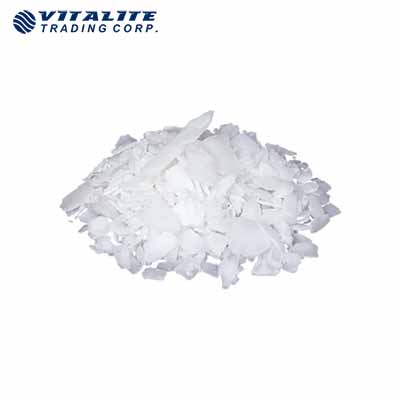
CAUSTIC SODA
CAUSTIC SODA
The Caustic Soda, chemically known as sodium hydroxide (NaOH), is a highly corrosive, strong alkaline inorganic compound. Often referred to commercially as lye or soda lye, it is one of the most widely manufactured and fundamental industrial chemicals in the world.
Applications
Because it is a strong, relatively inexpensive soluble base, caustic soda is utilized across a vast array of sectors:
- Pulp and Paper Industry: Used to break down lignin and dissolve cellulose from wood chips, allowing the raw fibers to be converted into paper and cardboard.
- Saponification (Soap & Detergents): Reacts with fats and oils (lipids) to produce water-soluble soaps and glycerol. It is also a key ingredient in synthetic surfactant formulations.
- Water Treatment: Used to adjust the pH of acidic water and to neutralize corrosive water systems. It also aids in precipitating out heavy metals.
-
Alumina Production: Dissolves bauxite ore during the Bayer process to extract alumina, which is later smelted into aluminum metal.
-
Chemical Synthesis: Serves as a vital reactant or pH regulator in synthesizing plastics, synthetic fibers (like rayon and nylon), solvents, and pharmaceuticals (such as aspirin).
-
Cleaning and Degreasing: The primary active agent in industrial heavy-duty degreasers, commercial oven cleaners, and domestic alkaline drain openers because it rapidly liquefies organic blockages and hair.
Physical and Chemical Characteristics
Appearance
Odor
Molecular formula
Molar mass
Melting point
Density
Solubility
Hygroscopicity
pH
: White, Flakes
: Odorless
: NaOH
: 40.00 g/mol
: 318°C
: 2.13 g/cm³
: Extremely soluble
: Extremely hygroscopic
: 13~14
