





CITRIC ACID
CITRIC ACID
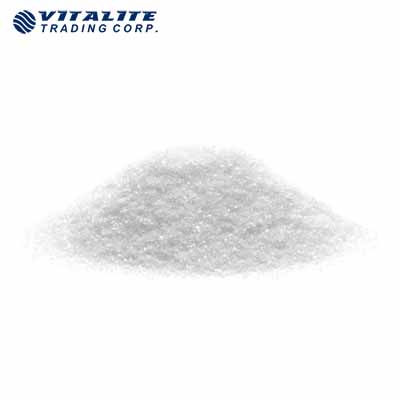
The Anhydrous Citric Acid is a pure, water-free form of citric acid. It is a weak organic acid that occurs naturally in citrus fruits but is commercially produced at scale via the controlled fermentation of carbohydrates (usually molasses or glucose) using the fungus Aspergillus niger
The term "anhydrous" means "without water." Unlike its counterpart, citric acid monohydrate (which contains one water molecule per citric acid molecule), anhydrous citric acid is crystallized from hot water solutions, ensuring that no moisture is trapped within its crystalline structure.
Applications
- Water treatment & Sanitation:
- ?RO Membrane Cleaning: It is a primary chemical used in Clean-In-Place (CIP) procedures for Reverse Osmosis (RO) systems to safely dissolve and strip away inorganic fouling, mineral scale (like calcium carbonate), and metal oxides without degrading the membrane.
- Ion Exchange Regeneration: It helps clean iron deposits out of water softener resin beds.
- Passivation: It is used to clean and passivate stainless steel piping systems, removing free iron from the surface to prevent rust.
- Food & Beverage Industry:
- Acidulant & Flavoring: Provides the characteristic "sour" kick in carbonated soft drinks, candies, jams, and juices.
- Preservative: Lowers pH levels to inhibit microbial growth, extending shelf life.
- Antioxidant Booster: Prevents the enzymatic browning of cut fruits by binding trace metals that accelerate oxidation.
- Industrial, Detergents & Cleaning Agents:
- ?Scale Removal: Formulated into household and industrial descalers to strip limescale out of boilers, heat exchangers, and coffee makers.
- Eco-Friendly Builder: Replaces polyphosphates in laundry and dishwashing detergents to soften water and improve surfactant performance.
-
Pharmaceuticals & Cosmetics:
-
Effervescent Tablets: Paired with bicarbonates in antacids, vitamins, and bath bombs, when introduced to water, they react to release carbon dioxide gas, causing the fizzing effect.
-
pH Adjustment: Used to stabilize the pH level in skin lotions, shampoos, and topical creams.
-
Physical and Chemical Characteristics
Chemical formula
Molecular weight
Melting point
Density
Solubility
pH (1% aqueous solution)
Cas number
: C6H8O7
: 192.12 g/mol
: 153°C
: 1.665 g/cm³
: 2.6 kg/l
: 2.2
: 77-92-9
